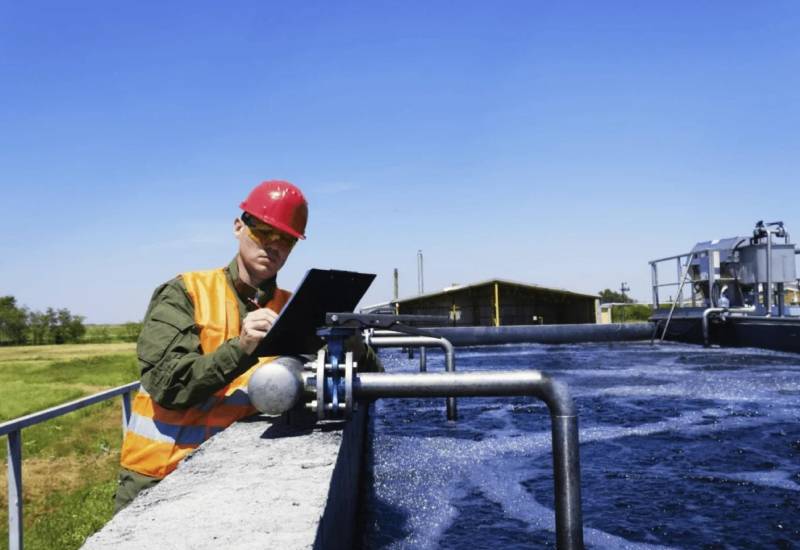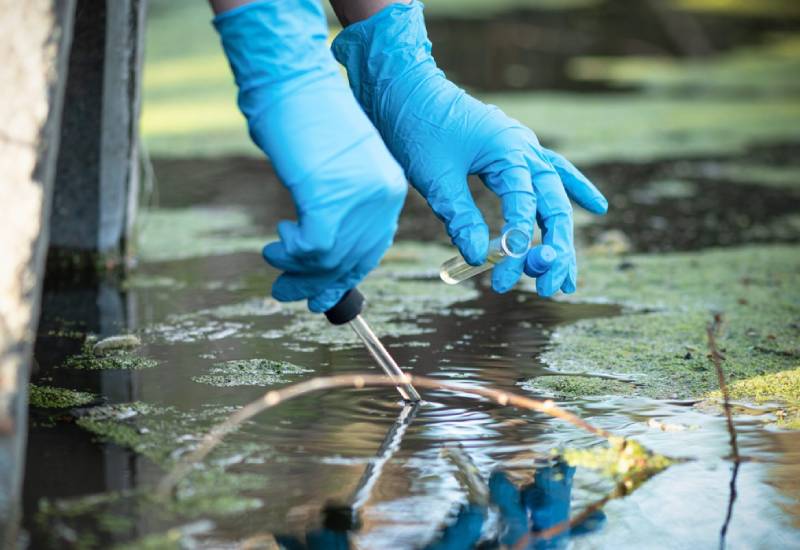
Every wastewater system runs on a few important readings like pH, BOD, COD, TSS, and TDS. These numbers show how well the treatment process is going and hint at what might need fixing before things start breaking down or the system begins to lose its balance.
Sometimes a wastewater system works fine for months, then one day it starts acting weird. Smells get stronger, water looks dirty, or things just slow down. That’s usually a sign that something inside isn’t right. The water itself carries all the hints. Testing tells what’s really happening down there. Wastewater testing isn’t some fancy thing. It’s like checking blood pressure or temperature—it helps spot issues early before they blow up into big repair jobs.
Important Wastewater Metrics and What They Indicate About Your System
pH – Finding the Right Middle
The pH level shows if the wastewater is too sour or too soapy. You want it steady between 6.5 and 8.5. That’s when the tiny good bugs that clean your water stay alive and happy. When pH jumps up or down too much, those bugs start dying, and the wastewater treatment process slows. Then things get messy, smelly, and harder to fix. Keeping an eye on pH is like keeping your system’s mood in check.
Biochemical Oxygen Demand (BOD) – How Much the Waste Eats
BOD tells how much oxygen the waste needs to break down. High BOD means the water is packed with organic stuff—too much of it. The system ends up gasping for air, and it becomes tough for the treatment plant to keep up. It’s like when someone overeats and can’t move. Checking BOD helps make sure the wastewater system isn’t overloaded with junk.
Chemical Oxygen Demand (COD) – The Quick Way to Check
COD does the same kind of check as BOD, but faster. It uses chemicals to measure the oxygen used up by waste. If the COD number is high, there’s probably oil, grease, or chemical gunk mixed in. That’s a red flag. Keeping COD under control helps keep your wastewater treatment plant safe and working within rules.
Total Suspended Solids (TSS) – The Floating Bits
TSS shows how much stuff is floating in the water—dust, grit, food pieces, or even bacteria. Too much of it makes the water cloudy and slows the whole system down. High TSS also blocks light, which makes it harder for good bacteria to do their job. When TSS is low, your wastewater flows better and looks cleaner, too.
Turbidity – What You See Tells a Lot
Turbidity is about how clear or cloudy the water looks. If it’s too cloudy, something’s off inside the system. Clean-looking water means your wastewater treatment is going fine. Turbidity is like a quick visual check that tells you if things are working right or slipping.
Total Dissolved Solids (TDS) – The Stuff You Can’t See
TDS is made up of salts and minerals that you can’t see, but they build up over time. High TDS can cause pipes to crust up or corrode from the inside. It’s sneaky and slowly damages the wastewater system if not tested. Keeping TDS low makes sure everything runs smoother and lasts longer.
Summing Up!
All these tests—pH, BOD, COD, TSS, turbidity, and TDS—tell you what’s really happening in your wastewater treatment system. Each one connects to the other. Checking them on time saves money, reduces headaches, and keeps the water safe for release. A healthy system doesn’t just happen. It’s all about keeping an eye on the small things before they turn big.