Blogs

How Wastewater Management Solutions Improve Efficiency and Compliance

Have you ever stopped and thought about wastewater? Not the cute bottled…

We design, implement, and maintain systems that manage wastewater efficiently and safely. These solutions keep operations running smoothly, reduce risks, ensure compliance, and protect people and the environment. Without them, small problems can quickly become big disruptions.

Through careful planning, regular wastewater maintenance, and integrated water system services, we ensure every component—from pumps to filters—works seamlessly. Our proactive approach reduces downtime, extends equipment life, and helps operations run reliably, giving clients less stress and more consistency.

Absolutely. We implement wastewater management solutions that meet environmental and health standards. By keeping records accurate, monitoring performance, and anticipating issues, we help clients stay compliant, avoid fines, and maintain safe, responsible operations.
Why Routine Wastewater Inspections Are Essential for Smooth Operations’

Routine wastewater inspections might not sound exciting, but they’re vital. They prevent…

It depends on the type and size of your system, but generally, wastewater systems should be inspected at least once or twice a year. High-volume or industrial systems may require quarterly checks to ensure smooth operation and compliance with environmental standards. Regular inspections help detect small issues before they escalate into costly repairs.

Routine inspections help prevent breakdowns, save repair costs, ensure compliance, and extend equipment lifespan. They also support safe operations by detecting leaks, blockages, and contamination risks early on. Simply put, inspections keep your system efficient, reliable, and environmentally responsible.

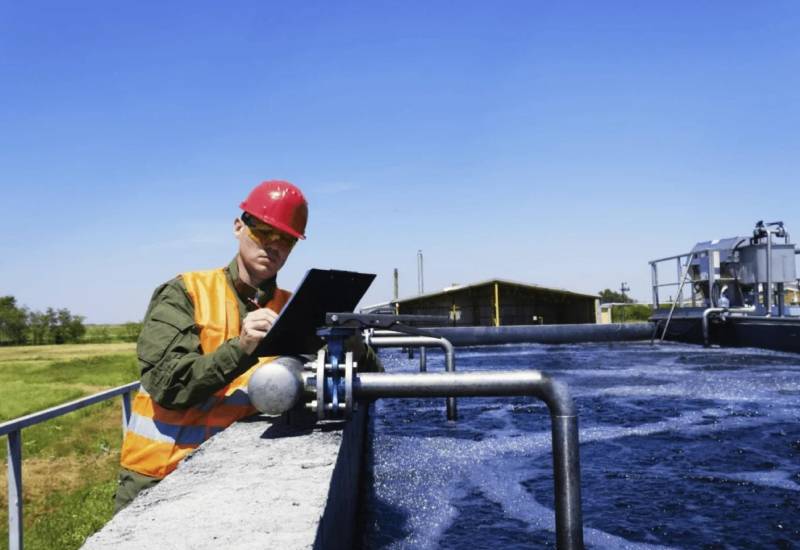
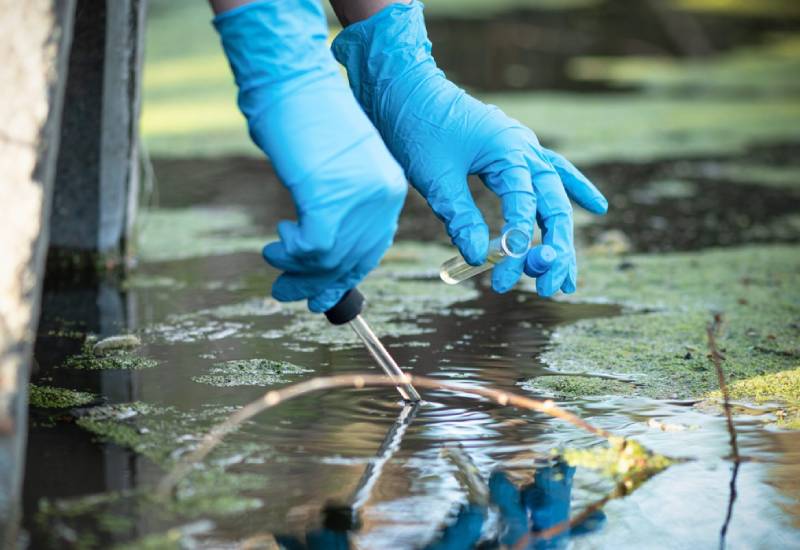
A wastewater inspection typically includes checking flow rates, inspecting pumps, testing discharge quality, reviewing control panels, and identifying signs of corrosion or buildup. The process helps spot inefficiencies or potential system failures early. After the inspection, you receive a detailed report with findings and recommendations for any required maintenance or repairs.

Key Parameters Tested in Wastewater and What They Mean for Your System

Every wastewater system runs on a few important readings like pH, BOD,…

Monitoring pH ensures the wastewater stays within 6.5–8.5, creating a healthy environment for beneficial bacteria. Proper pH prevents system slowdowns, foul smells, and treatment inefficiencies, keeping your system balanced and effective.

BOD measures the oxygen demand of organic waste, while COD provides a faster chemical-based check. High readings indicate overloading or contamination, helping you identify issues before they strain or damage the system.

TSS measures suspended particles, turbidity shows water clarity, and TDS tracks dissolved salts and minerals. High levels can block flow, reduce bacteria efficiency, corrode pipes, and lower treatment performance, making regular testing essential.